Why Early Periodontal Treatment in Ventura Matters
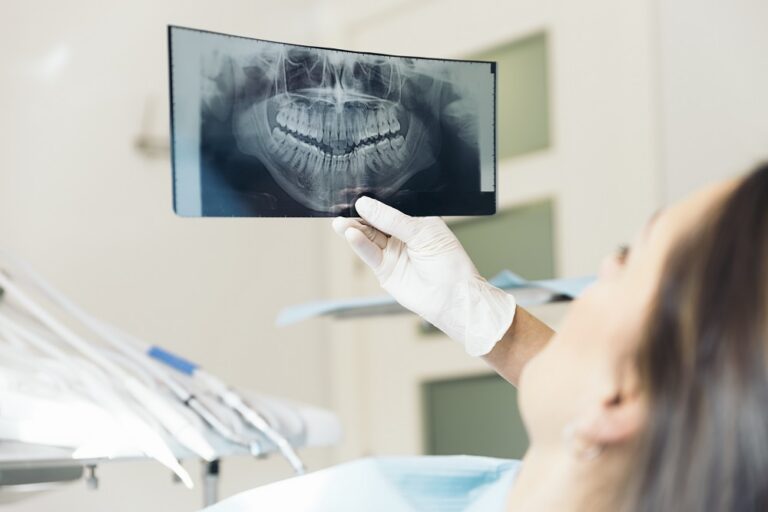
Gum disease rarely begins with a dramatic warning. More often, it starts quietly, with bleeding at the sink, mild puffiness along the gumline, or a little tenderness that comes and goes. Many people in Ventura dismiss those signs because the discomfort is minor, life is busy, and the teeth still seem fine. That is exactly why early periodontal care matters so much. By the time gum disease becomes painful or obvious, the damage is often more extensive, more expensive to treat, and harder to reverse.
Periodontal disease is not simply a cosmetic issue. It affects the supporting structures that hold teeth in place, including the gums, connective tissue, and bone. Once those tissues begin to break down, the problem can move from a routine cleaning issue to a long-term health concern. The strongest argument for early treatment is simple: the earlier gum inflammation is identified and managed, the better the odds of keeping natural teeth stable and healthy for years.
For patients looking into Periodontal Treatment Ventura providers offer, timing is one of the biggest factors that shapes the result. The same condition that might respond well to conservative care in its early stage can require much more involved treatment if ignored for months or years.
Gum disease does not wait for a convenient moment
One of the frustrating things about periodontal disease is how little urgency it seems to create at first. Early gingivitis can be almost painless. A patient may notice pink in the toothbrush foam and assume they brushed too hard. They may see a bit of swelling and switch toothpaste. Sometimes bad breath lingers despite brushing and flossing, but that alone rarely pushes someone to schedule a periodontal evaluation.
The biology, however, keeps moving. Plaque accumulates along and under the gumline. The body responds with inflammation. As that inflammation persists, the seal between gum tissue and tooth weakens. Pockets deepen. Bacteria settle into places daily brushing cannot reach. Over time, the immune response and bacterial activity can lead to bone loss around the teeth.
That progression is not always fast, but it is often steady. In practice, many patients are surprised to learn how much damage can happen without severe pain. I have seen cases where a person felt they were being cautious because they used mouthwash and brushed twice a day, yet they still had measurable pocketing and early bone changes because inflammation had been building quietly for years.
Ventura patients often lead active lives, balancing work, family, and outdoor routines, and dental symptoms can easily slide down the priority list. That makes regular periodontal screening especially important. Early care catches what self-monitoring usually misses.
The difference between gingivitis and periodontitis
It helps to understand the line between a reversible problem and a chronic one.
Gingivitis is inflammation limited to the gums. At this stage, the tissue may appear redder than usual, bleed with brushing or flossing, and feel irritated. The encouraging part is that gingivitis can often be reversed with professional cleaning, improved home care, and consistent follow-up.
Periodontitis begins when the supporting structures below the gumline become involved. Once bone loss enters the picture, the goal shifts. Dentists and periodontists can control the disease, reduce inflammation, slow progression, and in some cases regenerate lost support, but the process is more complex. It may involve scaling and root planing, localized antimicrobial therapy, more frequent maintenance visits, and sometimes surgical treatment depending on severity.
That distinction matters because many people wait until their symptoms feel serious enough to justify treatment. By then, the condition may no longer be a simple gingivitis case. Early intervention preserves options. It often means less invasive care and a more predictable outcome.
Why Ventura patients benefit from earlier action
Ventura’s climate and lifestyle bring some advantages for overall health, but gum disease follows the same rules here as it does anywhere else. If anything, the local pace of life can make delay more common. People often put off care because they are managing school schedules, commuting, small businesses, caregiving, or demanding jobs. Dental concerns that do not hurt badly tend to get bumped.
There is also a common misconception that a six-month cleaning schedule is enough for everyone. It is not. Some patients with early gum changes need deeper evaluation and a different maintenance interval. Someone with diabetes, a smoking history, dry mouth from medications, or old dental work with plaque-retentive areas may need more targeted periodontal care long before loose teeth become a concern.
In Ventura, as in many communities, access to information has improved, but awareness still lags. People know cavities matter. They are less likely to realize that bleeding gums are a sign of inflammation, not a normal side effect of brushing. That gap in understanding is one reason early periodontal treatment remains so important.
Small symptoms can signal a larger problem
Most patients do not seek treatment because they are worried about attachment loss or probing depths. They come in because something feels off. The early clues are easy to overlook, yet they are often clinically significant.
Here are some signs that deserve attention:
- Gums that bleed during brushing or flossing
- Persistent bad breath or a bad taste in the mouth
- Gums that look swollen, shiny, or darker red than usual
- Teeth that appear longer because the gumline is receding
- Tenderness when chewing or cleaning certain areas
None of these signs automatically means advanced periodontitis, but each one justifies a closer look. In a healthy mouth, gums generally do not bleed with routine cleaning. That point alone is worth repeating because so many adults have normalized bleeding.
Early treatment is usually simpler, gentler, and less costly
When periodontal disease is caught early, treatment is often straightforward. A patient may need a detailed cleaning around the gumline, improved hygiene instruction tailored to their anatomy, and closer follow-up. In mild to moderate cases, non-surgical periodontal therapy can reduce inflammation and help the gums reattach more favorably. That is a very different experience from managing tooth mobility, deep pockets, and advanced bone loss.
Cost is another practical concern. People sometimes delay care because they are trying to avoid dental bills, yet untreated gum disease often becomes more expensive over time. Early intervention may involve limited treatment and routine maintenance. Delayed intervention can mean multiple deep cleanings, periodontal surgery, extraction, bone grafting, and tooth replacement with a bridge, partial, or implant. Even when insurance contributes, the difference in total cost can be substantial.
There is also the hidden cost of instability. When gum support weakens, patients may start avoiding certain foods, compensating with one side of the mouth, or living with chronic irritation. That quality-of-life burden is real, even when it is hard to quantify.
What a periodontal evaluation actually looks like
Patients often imagine that a gum evaluation is either complicated or painful. In reality, it is usually methodical and manageable. The clinician examines the gum tissue, measures the depth of the pockets around each tooth, checks for bleeding points, assesses recession, evaluates mobility, and reviews radiographs for bone support. That information creates a map of what is happening above and below the gumline.
This matters because periodontal disease is not always uniform. One patient may have generalized mild inflammation. Another may have deep localized pockets around a few molars where plaque is harder to remove. A third may show recession from both brushing habits and inflammation. Effective treatment depends on distinguishing between these patterns rather than treating every mouth the same way.
If you are seeking Periodontal Treatment Ventura clinicians may recommend, expect the plan to be customized. Good periodontal care is not just about cleaning deeper. It is about identifying the cause, measuring the extent of disease, and creating a maintenance strategy that fits the patient’s risk factors and habits.
The mouth is connected to the rest of the body
The conversation around gum health has changed over the past two decades, and for good reason. Periodontal inflammation does not exist in a vacuum. While it is important not to overstate causation, there is solid reason to take chronic gum inflammation seriously, especially in people with certain systemic conditions.
For example, patients with diabetes often have a more difficult time managing periodontal disease, and uncontrolled periodontal inflammation can make glycemic control more challenging. Pregnancy can increase gum sensitivity and inflammatory response. Some heart patients are advised to maintain especially good oral health because chronic inflammation anywhere in the body is not trivial. Dry mouth caused by medications can also contribute indirectly by making plaque control harder.
This does not mean every case of bleeding gums signals a broader medical issue. It does mean that early periodontal treatment can support overall health rather than operating as an isolated dental concern. Clinicians who take a full health history seriously tend to catch these interactions sooner.
Delaying care changes the choices available
One of the hardest conversations in dentistry happens when a patient finally comes in because a tooth feels loose, only to learn that the damage has been progressing for a long time. At that point, treatment may still help, but the menu of options is narrower.
Early disease often allows for tissue preservation. Late disease often demands reconstruction or replacement. That distinction carries emotional weight. Many patients assume modern dentistry can always fix the problem later. Dentistry can do a great deal, but preserving natural structures is still preferable whenever possible.
A natural tooth with healthy support generally functions better, feels more familiar, and requires less adaptation than a replacement. Even well-done implant care is more involved when the original tooth and bone have already been lost. Bone volume may need to be rebuilt. Healing time lengthens. Costs rise. Maintenance remains essential.
There is no virtue in waiting to see if a periodontal issue settles on its own. Gum disease can be managed effectively, but passive observation is rarely the best strategy.
Home care matters, but it has limits
Patients sometimes feel embarrassed when they hear they need periodontal treatment, as if the diagnosis means they failed at basic hygiene. That is not a fair or useful way to think about it. Home care matters enormously, but it is only one part of the picture.
Crowded teeth, old restorations, genetics, dry mouth, stress, smoking, diabetes, hormonal changes, and dexterity limitations can all influence gum health. I have seen highly conscientious patients with excellent brushing habits develop localized periodontal problems in hard-to-reach areas. I have also seen patients improve dramatically once they were shown a better technique and given the right tools.
A few home care adjustments often make a meaningful difference:
- Use a soft-bristled toothbrush or quality electric brush with gentle pressure
- Clean between the teeth daily with floss, picks, or interdental brushes based on spacing
- Do not ignore one area just because it bleeds, that area usually needs better cleaning, not avoidance
- Replace worn brush heads regularly because frayed bristles clean poorly
- Keep periodontal maintenance appointments at the interval recommended, not just when it feels convenient
The key is consistency, not perfection. A patient who improves their daily routine and follows through with professional care usually sees better results than someone who searches for a miracle rinse and changes nothing else.
Smoking, vaping, stress, and dry mouth complicate the picture
Some risk factors deserve special attention because they change how periodontal disease behaves.
Smoking remains one of the biggest. Smokers may actually show less bleeding, which can make the gums look deceptively calm even while disease progresses underneath. Healing is often slower, and treatment outcomes may https://archermjcr751.talesignal.com/posts/why-regular-evaluations-matter-before-periodontal-treatment-in-ventura be less favorable unless tobacco use is reduced or stopped.
Vaping is newer territory, but it is not automatically harmless for gum tissues. Nicotine affects blood flow and tissue response. Patients who switched from smoking to vaping sometimes expect their gum problems to resolve immediately, yet inflammation can still persist if plaque control and maintenance are poor.
Stress is another underappreciated factor. It does not cause periodontitis by itself, but it can influence immune response, clenching, sleep quality, and self-care consistency. During high-stress periods, people often brush in a rush, snack more frequently, or miss appointments.
Dry mouth may seem unrelated to gums, but reduced saliva changes the oral environment. Plaque becomes harder to manage, tissues feel more irritated, and bacterial balance shifts. Many common medications contribute to this, including some used for blood pressure, allergies, anxiety, and depression.
These factors do not make treatment pointless. They make timely treatment more important.
What early success usually looks like
Patients often expect dramatic before-and-after moments, but periodontal success is usually quieter than that. Gums stop bleeding. Swelling settles down. Pocket depths improve or stabilize. Breath is fresher. Chewing feels more comfortable. Dental cleanings become easier because there is less inflammation and less buildup below the gumline.
The biggest success, though, is often what does not happen. Teeth do not loosen further. Bone loss does not accelerate. A localized problem does not spread into a full-mouth issue. The patient avoids surgery, extraction, or extensive restorative work that may have become necessary with more delay.
That preventive value is easy to underestimate because the result is stability rather than drama. In healthcare, stability is often the best outcome available.
Choosing care before urgency takes over
A common pattern goes like this: a person notices blood when flossing, waits six months, notices some recession, waits another year, then finally books an appointment when a tooth becomes sensitive or food starts catching near the gums. At that stage, the issue has usually become more complicated than it needed to be.
The better path is less stressful. If there is bleeding, tenderness, or visible change in the gums, get it checked while the symptoms are still mild. Ask for a periodontal assessment if one has not been done recently. If treatment is recommended, ask what stage the disease is in, what the goals are, and what maintenance will be needed afterward. Those are practical questions, and good clinicians welcome them.
For anyone considering Periodontal Treatment Ventura practices provide, the message is not alarmist. It is realistic. Early treatment gives you more control, more conservative options, and a better chance of protecting your natural teeth. Gum disease tends to reward prompt attention and punish delay. That pattern is consistent, and it is one of the clearest reasons early periodontal care matters.
Avra Dental
Address: 1708 S Victoria Ave B, Ventura, CA 93003
Phone number: (805) 941-1001
FAQ About Periodontal Treatment Ventura
Can a dentist get rid of periodontal disease?
A dentist or gum specialist (periodontist) cannot fully cure or reverse advanced periodontal disease (periodontitis), but they can successfully stop its progression and manage the infection.
Is periodontitis very serious?
Yes, periodontitis is a very serious, advanced form of gum disease that destroys the bone and tissues supporting your teeth.
How is stage 2 periodontal disease treated?
Stage 2 periodontal disease (early to moderate periodontitis) is primarily treated with non-surgical deep cleaning procedures like scaling and root planing to remove bacteria and tartar below the gumline.